Top Potato Flakes Processing Line Solutions for Global Buyers?
In the ever-evolving food processing industry, the "Potato Flakes Processing Line" stands out as a critical segment. Experts like Dr. Emily Carter, a renowned food technology specialist, emphasize, "The right processing line can dramatically enhance product quality." This underlines the need for investing in advanced processing solutions.
Buyers worldwide seek efficient and reliable processing lines. Factors such as production capacity, energy efficiency, and the quality of end products are essential. The complexity of potato flakes processing often leads to hesitation among potential investors. Fluctuating market demands add to this uncertainty. It can be challenging to navigate the available options.
As the market grows, implementing cutting-edge technology becomes increasingly important. Finding solutions that not only meet but exceed industry standards is vital. Buyers must focus on lines that integrate innovation and sustainability. The goal is to produce high-quality potato flakes while minimizing waste. Investing wisely can lead to significant long-term benefits.
Understanding Potato Flakes: An Overview of Production Processes
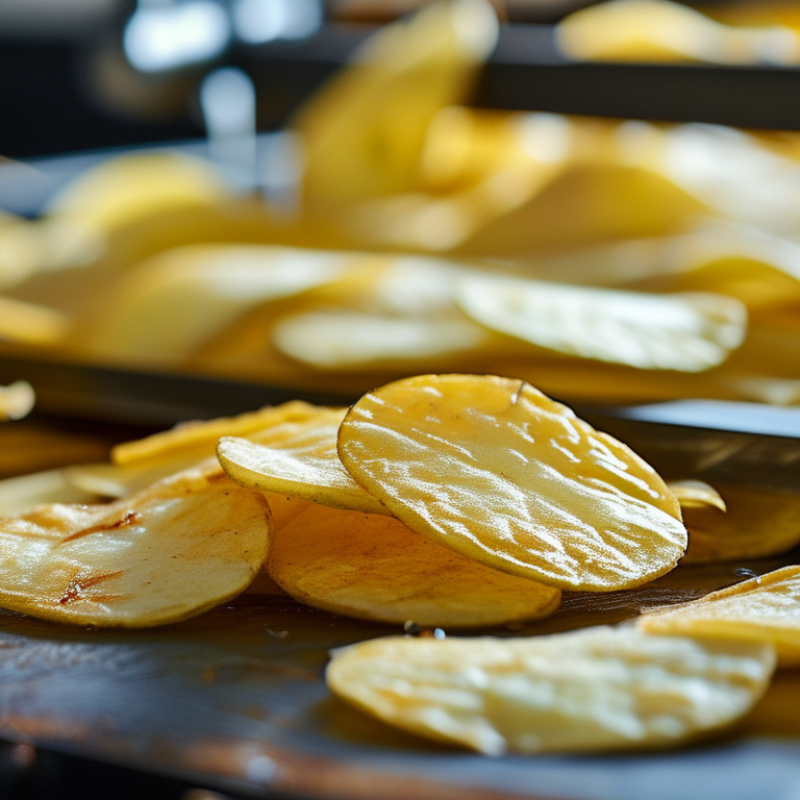
The production of potato flakes involves several intricate processes that transform fresh potatoes into a popular food ingredient. Initially, high-quality raw potatoes are selected. They are washed and peeled to eliminate contaminants. According to industry reports, about 70% of the global potato supply is utilized for processing, highlighting the importance of quality selection.
After preparation, potatoes undergo cutting and cooking. Typically, they are steam-cooked to soften them for further processing. The cooking process must be carefully monitored. Overcooking can lead to undesirable textures, while undercooking may result in inadequate moisture removal. Once cooked, the potatoes are mashed and dried using hot air or vacuum methods, determining the flake's final texture. Industry data shows that well-dried flakes retain about 90% of their nutrients, making them a healthy ingredient.
The final stage involves milling and packaging. The flakes are milled to ensure uniformity in particle size. It is essential to maintain a sterile environment during packaging to prevent contamination. Despite advancements, challenges remain in achieving consistent quality due to variations in raw materials.
The industry must continuously adapt to ensure that the nutritional value and taste meet consumer expectations. These factors emphasize the need for ongoing innovation and research in potato processing technologies.
Key Technologies in Potato Flakes Processing Lines
In the potato flakes processing industry, the right technology is crucial. Advanced equipment ensures high-quality flakes with minimal waste. Key technologies include flash drying, which rapidly removes moisture. This method preserves flavor and nutrients, making flakes more appealing to consumers. It's a well-regarded process, but not without its challenges. Maintaining the ideal temperature is critical to avoid overcooking.
Another important technology is the grading system. Modern lines use optical sorting to ensure uniform quality. Potatoes are scanned and separated based on size, color, and defects. This enhances product consistency but requires ongoing calibration. Many facilities struggle with software updates that can impact efficiency.
Quality control is essential throughout production. Regular testing for moisture content and flavor profiles helps maintain standards. However, relying on automated systems can lead to complacency. Human oversight is necessary to catch errors that machines might miss. Emphasizing both technology and human experience can enhance the overall success of potato flakes production.
Factors to Consider When Choosing a Potato Flakes Processing Line
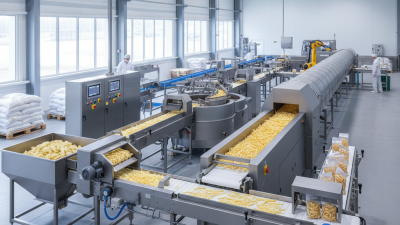
When selecting a potato flakes processing line, there are several critical factors to consider. Understanding the entire production process is vital. It ranges from raw potato reception to the final packaging. Each stage requires specific equipment to ensure quality and efficiency. Explore the machinery needed for washing, peeling, slicing, and drying potatoes. Consider how these machines integrate into a seamless production flow.
Another key aspect is the capacity of the processing line. It should match your production goals. Assess future growth to avoid capacity bottlenecks. Quality control is also essential. Implement testing systems throughout the process. This helps maintain high standards for texture and flavor.
Additionally, energy efficiency cannot be overlooked. The cost of energy can significantly affect overall production expenses. Research solutions that minimize energy consumption. Maintenance requirements are another consideration. Equipment should be reliable but also easy to maintain. Investing in robust training for staff can prevent operational mishaps. Balancing these elements will aid in selecting the right processing line. Always remember, every decision carries weight. Reflection on past choices informs better future practices.
Top Potato Flakes Processing Line Solutions for Global Buyers
| Processing Line Configuration |
Production Capacity (kg/h) |
Energy Consumption (kW) |
Material Quality |
Cost (USD) |
| Basic Line |
500 |
50 |
Standard Steel |
20,000 |
| Advanced Line |
1000 |
70 |
Food Grade Stainless Steel |
35,000 |
| High Capacity Line |
2000 |
100 |
High Alloy Steel |
60,000 |
| Premium Line |
1500 |
80 |
304 Stainless Steel |
50,000 |
Top Global Suppliers of Potato Flakes Processing Equipment
The global potato flakes market is witnessing significant growth. According to recent industry reports, the market size is expected to reach USD 3.2 billion by 2027, growing at a CAGR of 5.4%. This expansion presents opportunities for suppliers of potato flakes processing equipment.
Leading manufacturers focus on innovation to meet rising demands for high-quality potato flakes. Experts suggest that automation in processing can enhance efficiency. Advanced technologies like continuous frying systems and dehydrators are becoming essential. These innovations can improve production rates and reduce waste. In 2022 alone, automated processes accounted for over 40% of the total machinery sales in this sector.
However, some challenges persist. Not all suppliers meet high environmental standards. This raises concerns about sustainability. Buyers must consider not only production capacity but also the ecological impact of the machinery. Ethical sourcing of materials is crucial. Industry norms suggest that only reputable suppliers with a commitment to sustainability should be prioritized. The future of potato flakes processing relies on transparency and accountability.
Trends and Innovations in Potato Flakes Manufacturing Technology
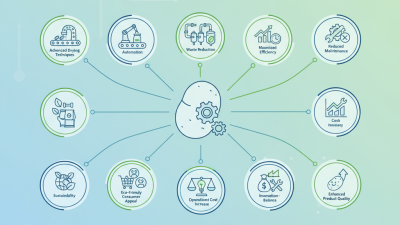
The potato flakes manufacturing industry is undergoing rapid transformation. Advances in technology are reshaping production processes, enhancing efficiency and product quality. Automation plays a vital role in modern plants. Automated systems streamline operations, reduce labor costs, and improve consistency. This shift allows manufacturers to produce high-quality potato flakes at a faster pace.
Emerging innovations, like advanced dehydrating techniques, are making waves. These methods preserve flavor and nutrients more effectively. New drying technologies reduce energy consumption and environmental impact. Continuous monitoring systems utilize IoT devices to optimize the drying process. These innovations offer a glimpse into the future where sustainability is paramount.
Despite these advancements, some challenges remain. Many producers struggle with adapting to new technologies. Investing in training and equipment can be daunting. Quality control systems are essential but can be complex to implement. Companies must carefully evaluate their processes to ensure they effectively leverage these innovations while avoiding potential pitfalls.