The Ultimate Guide to Crinkle Cut Fry Machines and How They Work
In the competitive landscape of the food service industry, the presentation and texture of menu items play a crucial role in attracting customers and enhancing their dining experience. One trend that has gained significant traction is the use of crinkle cut fries, known for their unique shape and satisfying crunch. According to a recent report by the National Restaurant Association, nearly 70% of consumers favor innovative and visually appealing side dishes, making the crinkle cut fry an ideal choice for restaurants looking to elevate their offerings.
To meet this growing demand, establishments are increasingly investing in specialized equipment such as the Crinkle Cut Fry Machine. This innovative device streamlines the preparation process, allowing chefs to create consistently cut fries with minimal effort and time. A market analysis by IBISWorld indicates that the demand for fry machines has risen by over 15% in the past five years, underscoring the popularity of this cooking style among various dining segments.
This comprehensive guide will explore the functionality, benefits, and considerations of Crinkle Cut Fry Machines, empowering food service operators to harness the potential of this unique fry style to delight customers and boost profitability.
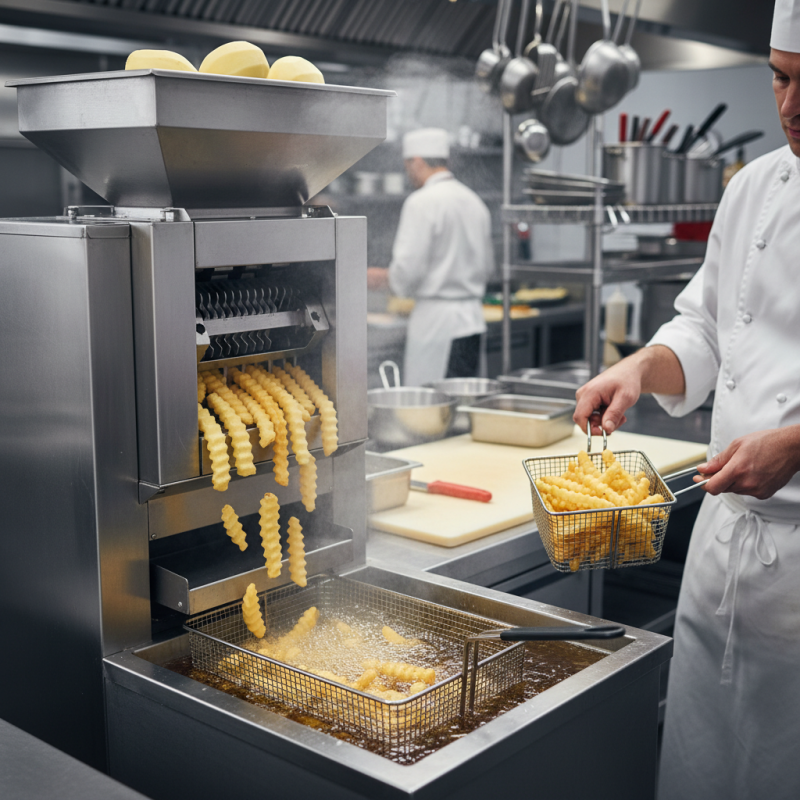
Understanding Crinkle Cut Fry Machines: An Overview
Crinkle cut fry machines have revolutionized the way food establishments prepare their fries, providing not only efficiency but also a unique texture that enhances the dining experience. These machines use specially designed blades that create ridges on the potato slices, allowing for increased surface area and better crispiness during frying. According to the Food Service Equipment Reports, the market for fry machines has seen an annual growth rate of 3-5% in the past few years, driven by the rising demand for specialty fries in restaurants and fast food chains.
Understanding the mechanics behind crinkle cut fry machines is essential for any establishment looking to optimize their fry production. Typically, these machines are equipped with high-capacity feed hoppers and adjustable cut thickness features, allowing operators to customize their fries to meet customer preferences. A report by the National Restaurant Association highlighted that nearly 70% of consumers prefer fries with a unique shape, emphasizing the need for restaurants to invest in equipment that can create visually appealing and delicious products. Ultimately, crinkle cut fry machines not only enhance operational efficiency but also play a critical role in attracting and retaining customers through innovative food presentation.
Key Components of Crinkle Cut Fry Machines and Their Functions
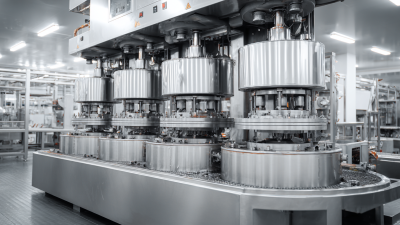
Crinkle cut fry machines are specialized equipment designed for producing the iconic wavy potato fries that are a favorite in many food establishments. Understanding the key components of these machines is essential for anyone looking to invest in or operate one effectively. The primary elements of a crinkle cut fry machine include the cutting mechanism, conveyor system, and heating elements. The cutting mechanism typically utilizes sharp, serrated blades that transform whole potatoes into perfectly crinkled fries, enhancing their texture and presentation.
The efficiency and quality of output from crinkle cut fry machines largely depend on the conveyor system. This system ensures a consistent flow of raw potatoes through the cutting and frying processes. Reports indicate that a well-optimized conveyor design can significantly reduce processing time, allowing for an output of up to 500 pounds of fries per hour, which proves essential for high-demand environments such as fast-food restaurants and cafeterias. Additionally, heating elements in these machines — whether electric or gas-fired — are crucial for achieving the desired frying temperatures, typically ranging from 350°F to 375°F. Research shows that maintaining the right temperature is vital for achieving a golden-brown fry while minimizing oil absorption, thereby enhancing the overall quality and taste.
Furthermore, many modern crinkle cut fry machines are equipped with automated controls and safety features that adhere to industry standards, improving operational efficiency and worker safety. As the global demand for convenience foods continues to rise, the market for sophisticated fry machines, including crinkle cut models, is expected to grow, with comprehensive studies predicting a compound annual growth rate of over 6% in commercial kitchen equipment in the next few years. Understanding these key components and how they function not only aids in making informed purchasing decisions but also facilitates optimal machine operation, ultimately delighting customers with the crisp and flavorful fries they crave.
How Crinkle Cut Fry Machines Create Unique Cuts for Potatoes
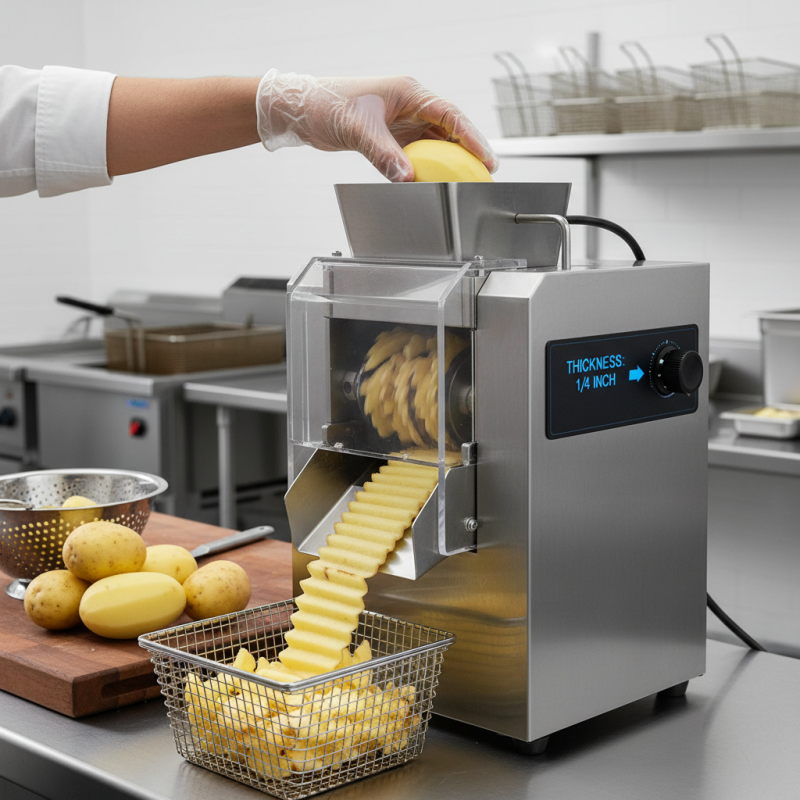
Crinkle cut fry machines are designed to create unique, wavy cuts on potatoes that enhance both visual appeal and texture. The process begins with fresh potatoes being fed into the machine. Once inside, a set of specially designed blades, often angular or serrated, slice through the tubers at specific angles, producing the signature crinkle shape. This distinct form not only adds an interesting aesthetic but also increases the surface area of the fries, resulting in a crispier exterior when cooked, while maintaining a fluffy interior.
The mechanics of crinkle cut fry machines vary, but most operate using a combination of mechanical pressure and rotating blades. As the potatoes are pushed through the blades, they are simultaneously cut and shaped. The varying thickness of the cuts can be adjusted to cater to different preferences, enabling operators to create fries that range from thin and crispy to thick and hearty. This versatility, combined with the unique crinkle shape, makes crinkle cut fries a popular choice in restaurants and food establishments, appealing to both adults and children alike.
The Ultimate Guide to Crinkle Cut Fry Machines and How They Work
| Feature |
Description |
Benefits |
Typical Usage |
| Cutting Mechanism |
Uses a series of blades to create crinkle cuts on potatoes. |
Enhances texture and visual appeal of fries. |
Fast-food restaurants, diners. |
| Speed |
Can process a large number of potatoes in a short time. |
Increases efficiency and reduces wait time for customers. |
High-volume kitchen operations. |
| Ease of Use |
Simple controls for operation by kitchen staff. |
Reduces training time for new employees. |
Casual dining, food trucks. |
| Maintenance |
Requires regular cleaning and blade replacement. |
Ensures consistent cut quality and safety. |
Commercial kitchens. |
| Material |
Constructed from stainless steel for durability. |
Long-lasting and resistant to rust and corrosion. |
Industrial food preparation. |
Step-by-Step Operation of a Crinkle Cut Fry Machine
Operating a crinkle cut fry machine involves a simple yet effective process that ensures perfectly shaped fries every time. First, you need to prepare your potatoes by washing and peeling them, if necessary. Once ready, the potatoes are placed into the machine's feeding chute. It’s essential to ensure that the potatoes are of uniform size for even cutting and cooking. Most machines come with adjustable settings that allow operators to choose the thickness of the crinkle cut, catering to different preferences.
After loading the potatoes, the next step is to select the desired cutting blade. The crinkle cut fry machine is equipped with various blades designed to create the iconic wavy shape. With the blades in position, the machine is powered on, and the potatoes are fed into the cutting mechanism. As the machine operates, it automatically pushes the potatoes through the blades, transforming them into crinkle-cut pieces. The operator should monitor the process to maintain safety and ensure the machine functions optimally, readying the fries for frying or baking as desired.
Throughout the operation, regular maintenance is crucial; cleaning the blades and feeding areas after use prevents build-up and maintains efficiency. Operators should follow the manufacturer's guidelines for maintenance and troubleshooting to keep the machine in prime condition for future use. By mastering these steps, anyone can efficiently produce crispy crinkle-cut fries that enhance any menu.
Maintenance Tips for Longevity of Crinkle Cut Fry Machines
Proper maintenance of crinkle cut fry machines is essential for ensuring both their longevity and optimal performance. Regular cleaning is critical, as the build-up of grease and food particles can lead to reduced efficiency and increased wear on components. According to industry standards, a thorough cleaning should be performed daily, including disassembling parts that come into direct contact with food. This proactive measure can significantly extend the lifespan of the fry machine, potentially doubling its operational years, as maintenance plays a pivotal role in preventing costly breakdowns.
In addition to regular cleaning, operators should also pay attention to the overall state of their machines. Routine inspections, including checking for loose connections, worn blades, and electrical issues, can catch minor problems before they escalate. The National Restaurant Association reports that proper maintenance can reduce repair costs by as much as 30% over time. Using high-quality oils and ensuring that frying temperatures are monitored can further optimize the machine’s performance and contribute to its durability. By adopting these maintenance best practices, businesses can enjoy consistent quality in their crinkle cut fries while minimizing the risk of unexpected equipment failures.