2025 How to Choose the Best Finger Chips Fry Machine for Your Kitchen
In the modern culinary landscape, the popularity of finger chips has skyrocketed, making the Finger Chips Fry Machine an essential piece of equipment for both home and commercial kitchens. As the demand for perfectly crispy and delicious finger chips grows, it becomes imperative to choose the right frying machine that not only meets your cooking needs but also ensures efficiency and quality. With numerous options available on the market, selecting the best machine can be a daunting task for any kitchen enthusiast or professional chef.
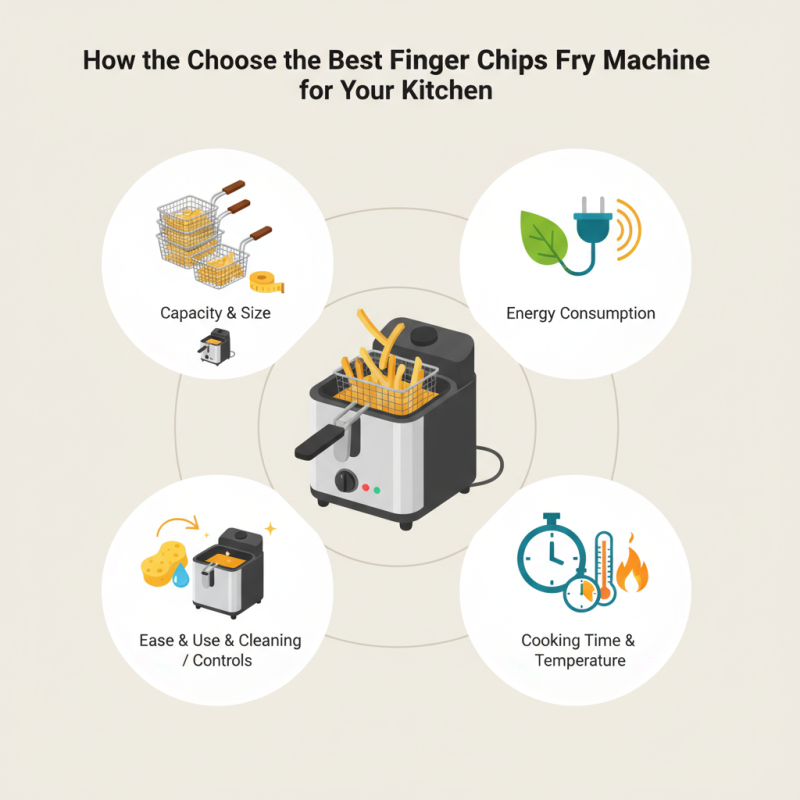
When searching for the ideal Finger Chips Fry Machine, factors such as capacity, size, and energy consumption must be carefully considered. Additionally, ease of use and cleaning, along with cooking time and temperature controls, can greatly influence your frying experience. This guide aims to provide insights into these critical factors, helping you make informed decisions tailored to your specific culinary requirements. By understanding these components, you can elevate your kitchen's frying capabilities, ensuring crispy, golden finger chips every time.
Choosing the Right Size: Capacity Considerations for Fry Machines
When it comes to selecting the best finger chips fry machine for your kitchen, understanding the capacity considerations is crucial. The size of the fry machine directly influences not only the volume of food you can produce at any given time but also the speed and efficiency of your frying operations. According to a 2021 report by the International Foodservice Manufacturers Association, commercial fryers with a capacity of 40 to 50 pounds are optimal for medium to high-volume operations, making them suitable for restaurants or catering services that demand quick turnaround times.
In addition, kitchen space plays a significant role in determining the right size of fry machine. A study by the National Restaurant Association indicates that nearly 60% of restaurateurs cite kitchen space constraints as a primary factor in equipment selection. Therefore, it is essential to measure your available space and compare it with the dimensions of the fry machine to avoid any operational hurdles. For home kitchens, machines with a smaller capacity, typically ranging from 5 to 15 pounds, may suffice, offering the flexibility to cater to family gatherings without taking up excessive counter space. Ultimately, aligning your frying capacity choices with your production needs and available space will ensure that you make a sound investment in your kitchen equipment.
2025 How to Choose the Best Finger Chips Fry Machine: Capacity Considerations
This chart illustrates the average capacity (in kg) of various types of finger chip fry machines suitable for different kitchen sizes. The data reflects the optimal choices for small, medium, and large kitchens in 2025.
Evaluating Power Efficiency: Wattage and Energy Consumption in Models
When selecting a finger chips fry machine for your kitchen, evaluating the power efficiency of different models is crucial. The wattage of the machine directly impacts its energy consumption and, consequently, your electricity bill. Typically, machines with higher wattage can reach cooking temperatures more quickly, which can be beneficial for high-demand environments. However, they may also incur higher energy costs if not optimized for frequent use. Assessing both the wattage and the design efficiency, such as heat retention and insulation, can guide you toward a machine that balances performance with power use.
Tips for improving energy efficiency in your kitchen include opting for machines with variable wattage options, allowing you to adjust power levels based on your cooking needs. Look for fryers that boast quick heating capabilities and excellent thermal insulation, as these features can reduce overall energy consumption. Additionally, using the fry machine in batch cooking can minimize energy loss by maximizing the amount of food prepared in one go, thus improving the overall efficiency of your kitchen operations.
2025 How to Choose the Best Finger Chips Fry Machine for Your Kitchen - Evaluating Power Efficiency: Wattage and Energy Consumption in Models
| Model |
Wattage (W) |
Energy Consumption (kWh) |
Cooking Time (min) |
Efficiency Rating |
| Model A |
1200 |
1.2 |
5 |
A+ |
| Model B |
1500 |
1.5 |
7 |
A |
| Model C |
1000 |
1.0 |
4 |
A++ |
| Model D |
2000 |
2.0 |
10 |
B |
| Model E |
1800 |
1.8 |
6 |
A+ |
Understanding Cooking Technology: Types of Frying Methods Explained
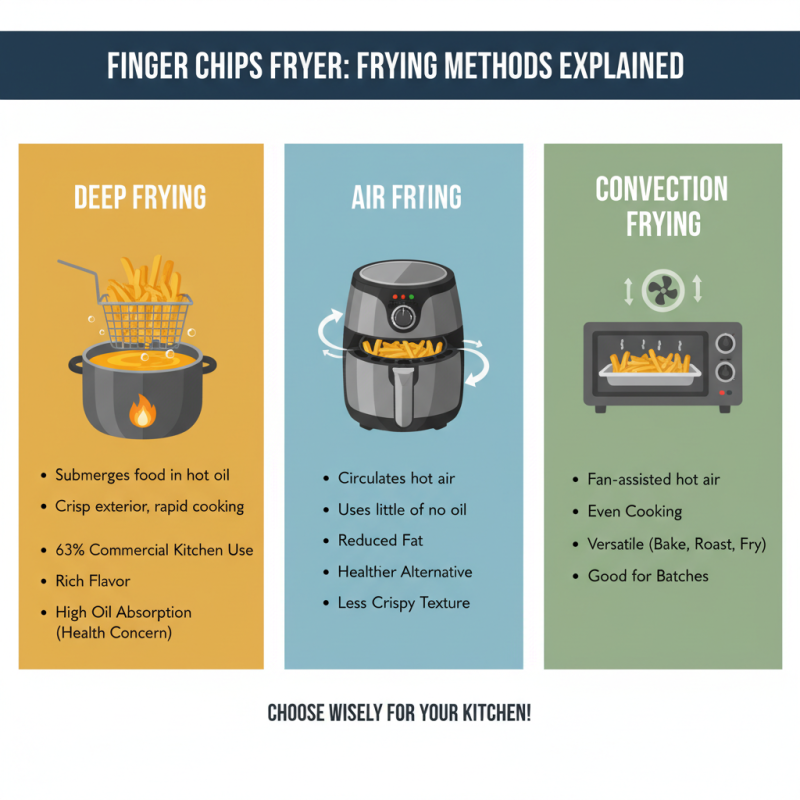
When choosing a finger chips fry machine for your kitchen, understanding the various frying methods is crucial. The predominant frying techniques include deep frying, air frying, and convection frying. Deep frying, where food is submerged in hot oil, allows for a crisp exterior and rapid cooking time. According to industry reports, this method accounts for approximately 63% of frying done in commercial kitchens due to its efficiency and flavor enhancement. However, it also raises health concerns due to increased oil absorption.
On the other hand, air frying, which uses hot air circulation to cook food, has gained popularity for producing lower-fat meals while still achieving a desirable crunch. Recent studies have shown that air frying can reduce calorie intake by up to 70% compared to traditional deep frying techniques. Convection frying, a mixture of traditional and air frying methods, uses fans to circulate hot air around the food, promoting even cooking and moisture retention. Each method has its benefits, and the choice depends on health considerations, taste preferences, and cooking efficiency.
**Tips**: When selecting a fry machine, consider the volume of food you plan to prepare. A larger capacity machine might be essential for a busy kitchen. Additionally, look for energy-efficient models that can help reduce operational costs while maintaining cooking quality. Regular maintenance and cleaning of the fry machine will extend its life and ensure consistent performance.
Assessing Build Quality: Materials and Durability in Finger Chip Fryers
When selecting a finger chips fry machine for your kitchen, assessing build quality is crucial. The materials used in construction can significantly impact not only the durability of the fryer but also the quality of the food being prepared. High-quality stainless steel is often the material of choice for commercial fryers due to its ability to resist corrosion and withstand high temperatures. Opting for a fryer with robust materials ensures that it can endure the rigors of daily use, providing reliable performance over time.
Durability does not solely depend on the materials used; it's also about the overall design and craftsmanship of the machine. Look for machines with reinforced parts, such as handles and hinges, which are common weak points in lower-quality fryers. Additionally, check for features like removable parts that facilitate easy cleaning and maintenance. A well-constructed fryer should have a sturdy frame that minimizes vibrations and prevents wear and tear, leading to a longer lifespan. By choosing a finger chips fry machine built with quality materials and thoughtful design, you can enhance your cooking experience and ensure delicious results consistently.
Maintenance Needs: Cleaning and Upkeep for Long-lasting Equipment
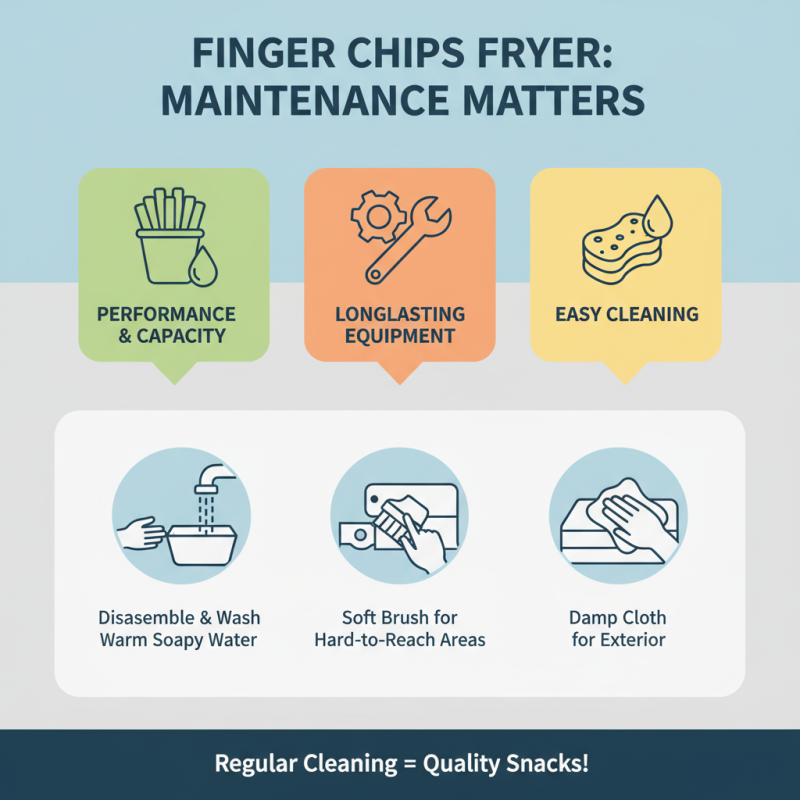
When selecting a finger chips fry machine, it is crucial to consider not only its performance and capacity but also its maintenance needs to ensure long-lasting equipment. Regular cleaning is essential to prevent the build-up of grease and food particles that can compromise the machine's efficiency and the quality of the snacks produced. After each use, it is advisable to disassemble removable parts and wash them with warm, soapy water. A soft brush can be used to reach any hard-to-clean areas, while a damp cloth can help wipe down the exterior surfaces.
In addition to routine cleaning, it's important to perform periodic maintenance checks. Inspecting the heating elements, oil levels, and electrical connections can help identify potential issues before they escalate into major problems. If the fry machine uses oil, make sure to filter or replace it periodically to maintain optimal frying conditions. Keeping the machine in a dry, clean environment can also prolong its lifespan, reducing the likelihood of rust and other deterioration. By prioritizing these maintenance practices, you can enhance the durability and performance of your finger chips fry machine, ensuring that it serves your kitchen needs for years to come.