How to Choose a Finger Chips Fry Machine for Business?
Choosing a Finger Chips Fry Machine is a practical business decision, not merely a search for the lowest price. The right machine should match your daily production, kitchen space, staff skills, and expected product quality. A small takeaway shop may need a compact batch fryer. A central kitchen may require continuous frying, automatic temperature control, and stronger oil filtration.
Dr. Peter Fellows, a respected food-processing technology specialist, states, “Equipment choice must fit the product, the process, and the people operating it.” This principle is especially important when comparing frying capacity. A machine rated for 20 kilograms per hour may perform poorly if your potatoes contain excess moisture or your workers load baskets unevenly. Check the recovery time after adding cold chips. Watch the oil temperature. Small details matter.
Look for food-grade stainless steel, reliable insulation, simple controls, and accessible heating components. Cleaning should not require awkward tools or hours of dismantling. Ask about electrical requirements, oil consumption, spare parts, warranty coverage, and local technical support. These costs can quietly reshape your profit margin.
Do not trust impressive specifications alone. Request a live demonstration or test samples using your own potato variety. Taste the chips after ten minutes. Then inspect color, crispness, and oiliness.
A perfect answer does not exist. I may even underestimate your local service conditions. Your menu, budget, and production rhythm must guide the final choice. A dependable Finger Chips Fry Machine should produce consistent chips, protect staff safety, and remain manageable during the busiest service period.
Classify Production Needs: Batch Fryers for 20–100 kg/h, Continuous for More
Choosing a finger chips fry machine starts with production rhythm, not fryer size alone. For a small restaurant or pilot kitchen, a batch fryer rated at 20–100 kg/h often provides better control. Staff can inspect each load, adjust frying time, and respond to changing potato moisture. This flexibility helps during menu trials or uneven order periods. Keep each batch consistent.
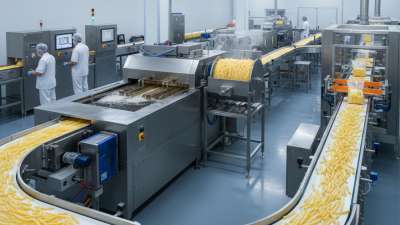
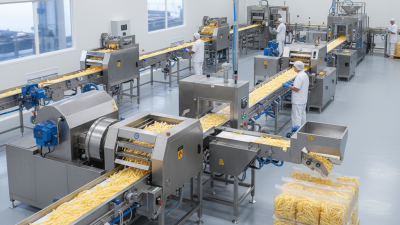
A continuous fryer becomes more practical when demand remains above 100 kg/h. It moves cut potatoes through a controlled oil zone, reducing repeated loading and unloading. This setup suits processors serving retail packs, catering networks, or multiple stores. However, continuous equipment needs steady raw-material flow and trained operators. It also requires space for conveyors, filtration, and cooling. A high capacity rating means little if slicing or blanching cannot keep pace. Utility supply matters too.
Before buying, record actual hourly demand during at least one busy week. Measure raw potato weight, frying loss, changeover time, and rejected pieces. A practical planning lesson is that initial estimates are often too optimistic. Plan around realistic peak demand, not an ideal shift. Ask for test data using your potato variety, cut size, and target moisture. Small details change results. Compare cleaning time, oil management, temperature logging, spare parts, and operator safety procedures. A cheaper batch fryer may outperform a larger system when demand remains irregular. Review the decision after three months of operation.
Set Product Targets: Fry at 170–180°C for a 2–4-Minute Cycle
How to Choose a Finger Chips Fry Machine for Business?
Set a clear product target before comparing machines. For most frozen or blanched finger chips, test frying at 170–180°C for a 2–4-minute cycle. This range can produce a crisp surface without quickly darkening the center. A 2023 review in the peer-reviewed journal Foods links higher frying temperatures and longer exposure with increased acrylamide formation. That matters for both quality control and responsible production.
The machine should recover heat quickly after each basket enters the oil. Track oil temperature at the product load, not only on the control display. A 10°C drop can make chips greasy and pale. The U.S. Department of Agriculture reports that raw potatoes contain roughly 80% water, so moisture release strongly affects oil stability and cooking speed. In practical tests, record batch weight, cut size, oil age, and finished color. Small details matter.
Do not treat 175°C as a magic number. Different cuts behave differently. Thin chips may finish near two minutes, while thicker pieces need closer to four. A 2022 food-science review also emphasizes that oil degradation depends on temperature, time, oxygen, and repeated use. That part is often overlooked. Choose a fryer with stable heating, a visible timer, accurate temperature sensing, and simple oil filtration. Then test three consecutive batches, because the first batch can be misleading.
Size Capacity with a 15–25% Peak-Demand Buffer and kg/h Output
How to Choose a Finger Chips Fry Machine for Business?
Choosing a finger chips fry machine starts with your real production target, not the largest advertised number. Measure expected sales during normal hours and busy periods. Then add a 15–25% peak-demand buffer. For example, if your busiest requirement is 80 kg/h, select equipment rated around 92–100 kg/h. This reserve helps manage lunch rushes, uneven orders, and short delays. A machine that runs at full capacity all day may wear faster. It may also produce inconsistent frying results.
Check whether the stated kg/h output reflects raw potatoes or finished chips. These figures can differ significantly after peeling, cutting, soaking, and moisture loss. Confirm the batch cycle, basket loading weight, heating recovery time, and usable frying area. A compact machine may fit a small kitchen, yet its actual output could disappoint. I have seen buyers focus on tank size and overlook loading speed. That mistake is expensive to correct.
Tips:
Record your busiest hour for one week before choosing capacity. Keep the buffer realistic, since oversized equipment can waste oil and floor space. Ask for a practical output test using your potato size, cutting style, and preferred frying temperature. Also check cleaning access and operator workflow. A few minutes lost between batches can reduce daily production more than expected. Leave room for ventilation and safe movement around the fryer.
Control Oil Quality: Filter Regularly and Reject Oil Above 25% TPM
How to Choose a Finger Chips Fry Machine for Business?
When choosing a finger chips fry machine, examine how it protects oil quality during daily production. A reliable fryer should offer stable temperature control, easy drainage, and accessible filtration parts. Excess heat darkens oil quickly and can create inconsistent chips. Ask whether staff can clean the filter without stopping production for too long. Small design details matter during busy service.
Tips: Filter the oil regularly, not only when it looks dark. Crumbs settle at the bottom and continue burning between batches. Use a calibrated TPM meter to check the oil after filtering and during heavy production. Reject oil above 25% TPM, or follow a stricter local requirement. Record the reading, filtration time, and replacement decision in a simple logbook. This creates useful evidence for training and quality checks.
In practice, oil may appear clear while its TPM level has already risen. Taste and color alone are unreliable. Keep a spare filter screen available, because a blocked screen can delay production and encourage rushed cleaning. A perfect inspection schedule does not exist. Staff habits vary. Review the log weekly and adjust checking frequency when orders increase, temperatures fluctuate, or frying loads become heavier. A machine that makes filtration simple often supports safer, more consistent business operations.
Audit Safety and ROI: Verify CE/UL Features and Cost per Kilogram
Choosing a finger chips fry machine starts with safety evidence, not a glossy output claim. CE marking shows conformity with applicable European requirements; it is not a guarantee of frying performance. For other markets, request valid electrical safety documentation, risk assessments, emergency-stop testing, and clear wiring diagrams. UL certification may be relevant where local electrical rules require it. Check the certificate number and product model. Do not accept a generic PDF.
Audit energy, oil, labor, and rejected batches per kilogram. A useful formula is: total operating cost ÷ saleable kilograms. Include warm-up losses and oil replacement.
The International Energy Agency reports that electric motor systems consume about half of global electricity, so motor efficiency deserves attention. Compare measured power during heating, frying, and idle periods.
For example, a 12 kW machine producing 60 kg per hour uses roughly 0.2 kWh per kilogram at full load, before heat losses. Real kitchens rarely run at full load. That assumption can hurt ROI.
Ask for a live test using your potato size, moisture level, and target color. Record batch time, oil temperature recovery, and kilograms rejected. A machine that costs less may consume more oil or require another operator. That difference is easy to miss.
Also inspect guards, drain valves, insulation, and cleaning access. A small design flaw can become a daily maintenance cost.
FAOSTAT records global potato production above 370 million tonnes annually, but volume alone does not make every frying line profitable. Local labor, electricity, and oil prices still decide the payback period.