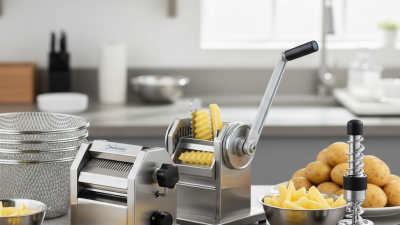
Choosing the right French Fries Slicer Machine in 2026 requires more than comparing prices and motor power. Global buyers need equipment that delivers consistent cuts, dependable output, safe operation, and practical maintenance. A busy restaurant may need crisp 7 mm strips, while a frozen-food processor may prefer thicker 10 mm or 12 mm cuts. Those small differences affect cooking time, product appearance, and customer satisfaction.
Real-world performance matters.
This guide examines important details, including blade quality, feeding capacity, stainless-steel construction, cleaning access, motor efficiency, and adjustable cutting options. It also considers voltage compatibility, spare-part availability, packaging, operator training, and after-sales support. These factors can determine whether a machine performs smoothly after installation or becomes an expensive operational problem. Buyers should verify technical specifications directly with manufacturers and request clear documentation before ordering.
No machine is perfect.
Even a well-built French Fries Slicer Machine may require routine blade sharpening, careful loading, or occasional adjustment. Some advertised capacities may reflect ideal conditions rather than continuous commercial use. That point deserves attention. Reliable purchasing decisions come from comparing tested output, safety features, supplier experience, and total ownership costs. The following overview is designed to help distributors, restaurant owners, caterers, and food-processing companies evaluate suitable machines for different production environments. It focuses on practical evidence, transparent expectations, and long-term value rather than attractive claims alone.
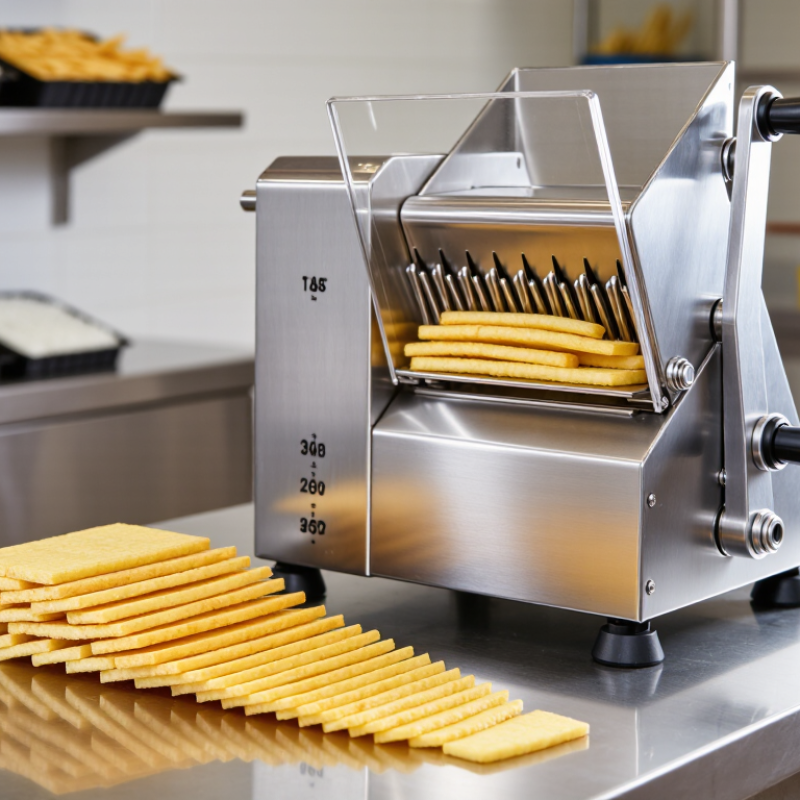
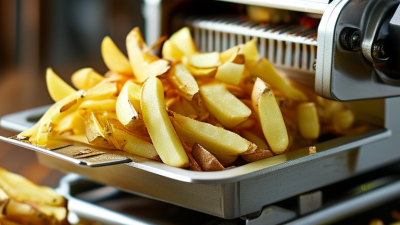
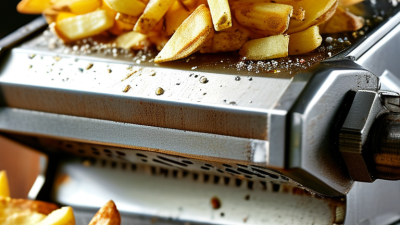
A French fries slicer machine is food-processing equipment that cuts whole potatoes into consistent strips. It usually includes a feed hopper, pressing system, cutting grid, and discharge outlet. The grid determines the final size, such as 7×7, 9×9, or 10×10 millimeters. Uniform cuts help fries cook evenly and reduce burnt edges.
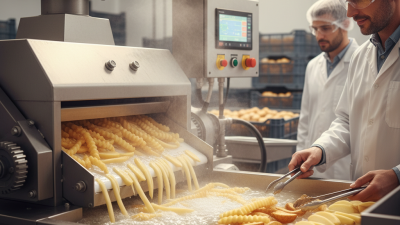
The equipment can process washed, peeled, or unpeeled potatoes, depending on its design. A powered pusher moves each potato through sharp stainless-steel blades. Some machines connect directly with washing, blanching, and dewatering systems. Others work as independent units for small restaurants or medium-sized processors. Capacity often ranges from several hundred kilograms to multiple tonnes per hour, but actual output depends on potato size, operator loading, and cut thickness.
FAOSTAT reported approximately 374 million tonnes of global potato production in 2022. This large raw-material base supports demand for efficient cutting equipment. Industry processing reports also identify frozen fries as a major value-added potato segment, especially in foodservice and retail channels. However, capacity figures can be misleading. A machine rated at 1,500 kilograms per hour may produce less with irregular potatoes or frequent cleaning. Buyers should examine blade replacement time, product loss, electrical standards, sanitation access, and emergency protection. A slicer is not automatically efficient. Its performance depends on the entire processing line.

A French fries slicer machine turns whole potatoes into consistent strips through controlled feeding and a sharp cutting grid. Operators place washed potatoes into the hopper. A plunger or rotating feed system then pushes each potato toward the blades. Pressure must remain steady. Uneven pressure can create short pieces or crushed edges.
The cutting grid usually contains parallel knives supported by cross blades. When the potato passes through, the knives divide it into fries with a fixed width and thickness. A 10-millimeter grid creates familiar medium-cut fries, while larger grids produce thicker portions. In commercial trials, cold, firm potatoes often pass more cleanly than soft ones. Small errors matter. Potato size, moisture, and blade sharpness all affect the result.
Some machines use intermittent pressing, while others process potatoes continuously. Continuous systems can improve output, but they require careful feeding to prevent jams. Stainless steel contact surfaces support hygiene and easier inspection. Safety covers should stop operation when opened. Cleaning the cutting grid immediately is practical because dried starch becomes difficult to remove. I have found that speed is not the only measure of performance. A machine producing fast but irregular strips may increase waste during cooking. Operators should also check blade alignment and slice samples regularly. My own assessment is imperfect: settings that work well for one potato variety may fail with another. That limitation deserves attention before large-scale production.
For global buyers, the 2026 French fries slicer market offers several practical machine types.
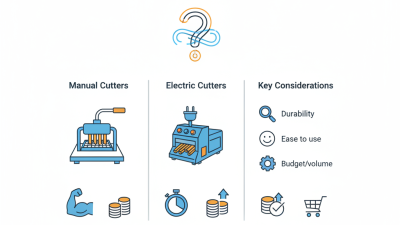
Manual slicers suit small kitchens, test batches, and locations with limited electricity. They are affordable, but output depends heavily on operator skill. Electric slicers provide faster, more consistent cutting for restaurants and catering kitchens. Industrial hydraulic or continuous slicers handle large potato volumes with less labor. Grand View Research estimates the global frozen French fries market may grow at about 5% annually through 2030. That trend increases demand for stable, high-throughput preparation equipment.
Cut shape is another important category. Straight-cut slicers produce familiar regular fries. Crinkle-cut machines create deeper ridges and need sharper, well-aligned blades. Wedge cutters make thicker portions for casual dining menus. Spiral and specialty cutters offer visual appeal, but they usually create more trimming waste.
USDA agricultural reports continue to show strong global potato production, yet production volume alone does not guarantee good slicing performance. Potato size, moisture, firmness, and temperature can change the result. In practice, perfection is uncommon. A machine can be powerful, but unsuitable for the local potato supply.
Tips: Test three potato sizes before purchasing. Check blade replacement time, cleaning access, safety guards, and hourly capacity. Ask for cut samples, not only catalog figures. A slightly slower machine may reduce broken fries and operating waste.
2026 Best French Fries Slicer Machine for Global Buyers
For global buyers, the best French fries slicer is not simply the fastest model. Cutting capacity, slice accuracy, and stable operation matter more. A practical machine should process 300 to 1,000 kilograms per hour, depending on kitchen or factory needs. Confirm the cutting size before ordering. Common options include 7, 10, and 12 millimeter strips. Even a small size error can affect frying time and product appearance.
Food-contact parts should use corrosion-resistant stainless steel, preferably with clear material documentation. Check the motor voltage, frequency, plug type, and power consumption for your destination. Safety interlocks, emergency stops, and protected blades are essential specifications. Cleaning access also deserves attention. Narrow corners may trap potato residue and increase maintenance work. An IP-rated electrical design can support safer cleaning, but the exact rating still needs verification. Do not trust impressive capacity claims without test records. A sample trial often reveals uneven cuts, vibration, or unexpected waste.
Tips: Request videos of real potato tests, not empty-machine demonstrations. Ask for blade replacement time, spare-part availability, warranty terms, and maintenance instructions. Measure the machine footprint and shipping weight early. Some buyers focus heavily on price and regret ignoring local service support. That is worth reconsidering. A slightly slower machine may deliver better consistency and lower operating costs over time.
Practical specification comparison for restaurants, foodservice operations, processors, and international importers
| Machine Category | Recommended Application | Typical Capacity | Common Cut Sizes | Drive Power | Electrical Options | Food-Contact Material | Approx. Machine Weight | Best Buying Priority |
|---|---|---|---|---|---|---|---|---|
| Manual Lever Slicer | Small restaurants, cafés, mobile kitchens, and low-volume use | Approximately 30–80 kg/h | 6–12 mm; usually one fixed cutting grid | No motor | Not applicable | Stainless steel or food-safe coated steel; verify contact surfaces | Approximately 5–15 kg | Low purchase cost, easy cleaning, and replacement blade availability |
| Tabletop Electric Slicer | Restaurants, catering kitchens, and medium-volume foodservice | Approximately 100–300 kg/h | 6, 9, 10, or 12 mm interchangeable grids | Approximately 0.37–1.1 kW | 110/120 V or 220–240 V; 50/60 Hz options may be available | Preferably 304 stainless steel on product-contact parts | Approximately 20–60 kg | Motor protection, stable feeding, safety interlock, and simple sanitation |
| Floor-Standing Electric Slicer | Busy restaurants, hotels, institutional kitchens, and central kitchens | Approximately 250–600 kg/h | 6–16 mm, depending on installed cutting assembly | Approximately 0.75–2.2 kW | 220–240 V single-phase or 380–415 V three-phase; confirm local compatibility | 304 stainless steel is commonly preferred for wet food-contact areas | Approximately 50–120 kg | Continuous-duty rating, robust frame, drainage, and access for cleaning |
| Continuous Commercial Slicer | Food processors, frozen-fry preparation, and high-throughput production lines | Approximately 500–1,500 kg/h | Typically 6–14 mm; custom sizes may require different tooling | Approximately 1.5–5.5 kW | Commonly 380–415 V, three-phase, 50 Hz; other configurations require confirmation | 304 stainless steel; higher corrosion resistance may be specified for selected parts | Approximately 120–400 kg | Stable hourly output, sanitation design, spare tooling, and service support |
| Buying Dimension | What to Confirm Before Ordering | Why It Matters Internationally |
|---|---|---|
| Actual Capacity | Request test results using potatoes similar in size, moisture, and variety to the intended application. | Rated capacity is not always the same as sustained production output. |
| Voltage and Frequency | Confirm voltage, phase, frequency, plug type, motor protection, and whether a local electrical panel is required. | Electrical incompatibility can cause installation delays, overheating, or warranty issues. |
| Cut Consistency | Check blade alignment, grid design, allowable potato diameter, and the availability of alternative cutting grids. | Uniform dimensions improve frying consistency and reduce trimming waste. |
| Hygiene and Cleaning | Look for smooth welds, rounded corners, removable food-contact parts, drainage, and tool-free access where practical. | Good sanitation design reduces cleaning time and helps meet local food-safety requirements. |
| Safety Features | Confirm emergency stop function, lid or guard interlocks, overload protection, non-slip feet, and operator instructions. | Safety requirements and workplace rules differ by destination market. |
| Documentation | Request a user manual, wiring diagram, spare-parts list, packing details, material declaration, and applicable conformity documents. | Complete documentation supports customs clearance, installation, training, and maintenance. |
| Wear Parts and Service | Confirm blade material, replacement frequency, lead time, stock availability, and remote technical support. | Fast access to blades and wear parts limits production downtime after importation. |
Choosing the best French fries slicer machine starts with your daily production needs. Measure your expected output during busy hours, not on a quiet afternoon. A small kitchen may need 100 to 200 kilograms per hour, while a processing facility needs much more. Check whether the machine offers adjustable cutting sizes. Even strips matter when customers expect consistent cooking and appearance.
Construction affects both hygiene and service life. Food-contact parts should use corrosion-resistant stainless steel with smooth, accessible surfaces. Avoid hidden corners where potato starch can collect. A removable blade assembly makes cleaning faster. It also makes inspection easier. Confirm the motor power, voltage, and plug type before ordering internationally. A powerful motor is useful, but excessive power can increase energy costs and damage soft potatoes.
Safety deserves close attention. Look for a guarded feed opening, stable feet, emergency stopping, and clear operating instructions. Ask for real test videos using potatoes similar to yours. Product photos can hide uneven cuts. A machine may claim high capacity, yet performance can fall with large, wet, or irregular potatoes. This is easy to overlook. Review spare blade availability, warranty terms, delivery packaging, and technical support. Request sample cut dimensions and noise information. If possible, test one unit before a large purchase. The cheapest option may seem practical, but frequent cleaning problems or blade replacement can quickly change the calculation. Reliability is not always visible on a specification sheet.